
Botanical description
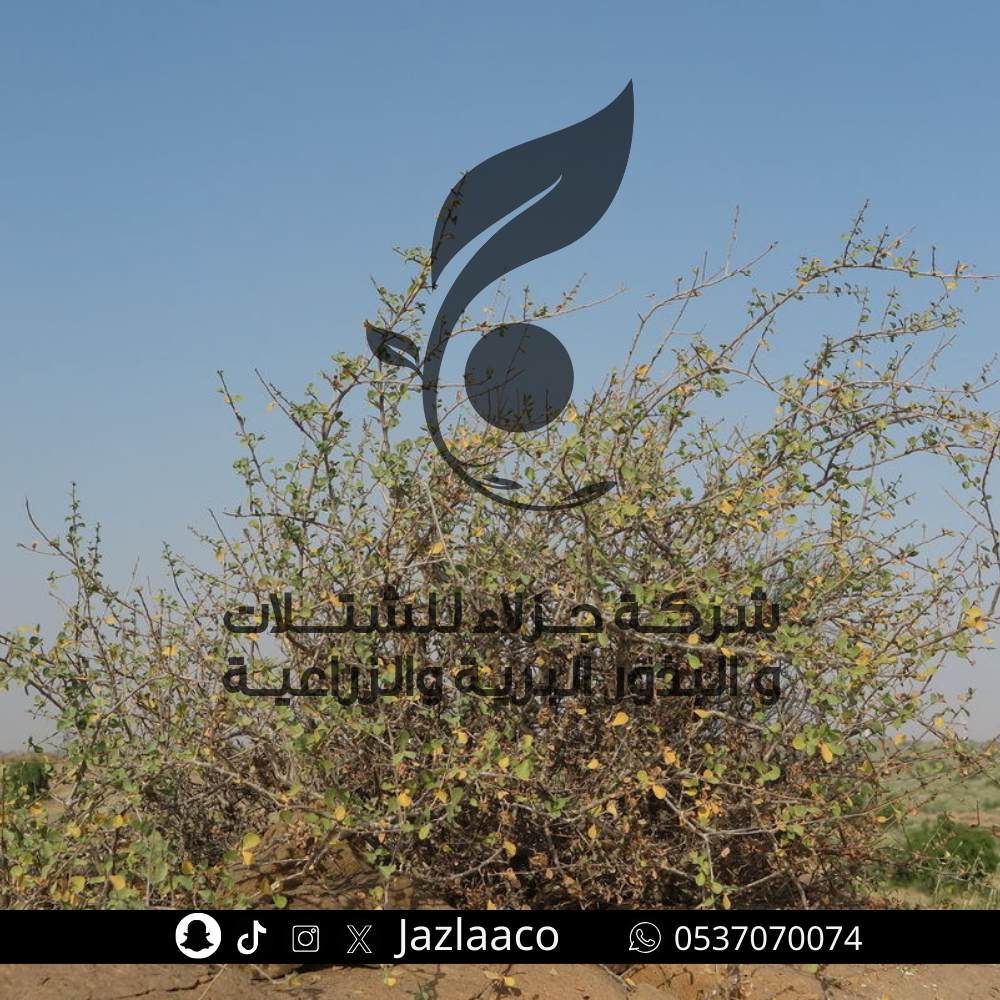
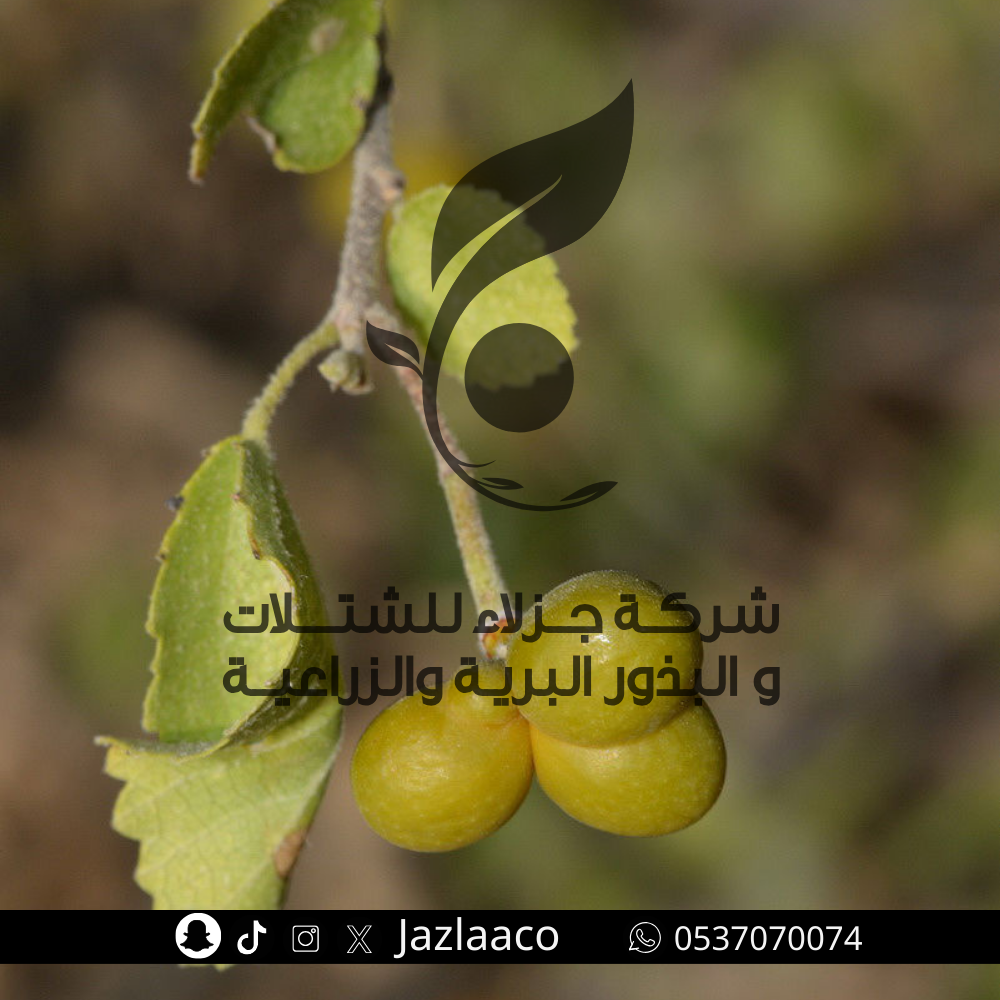
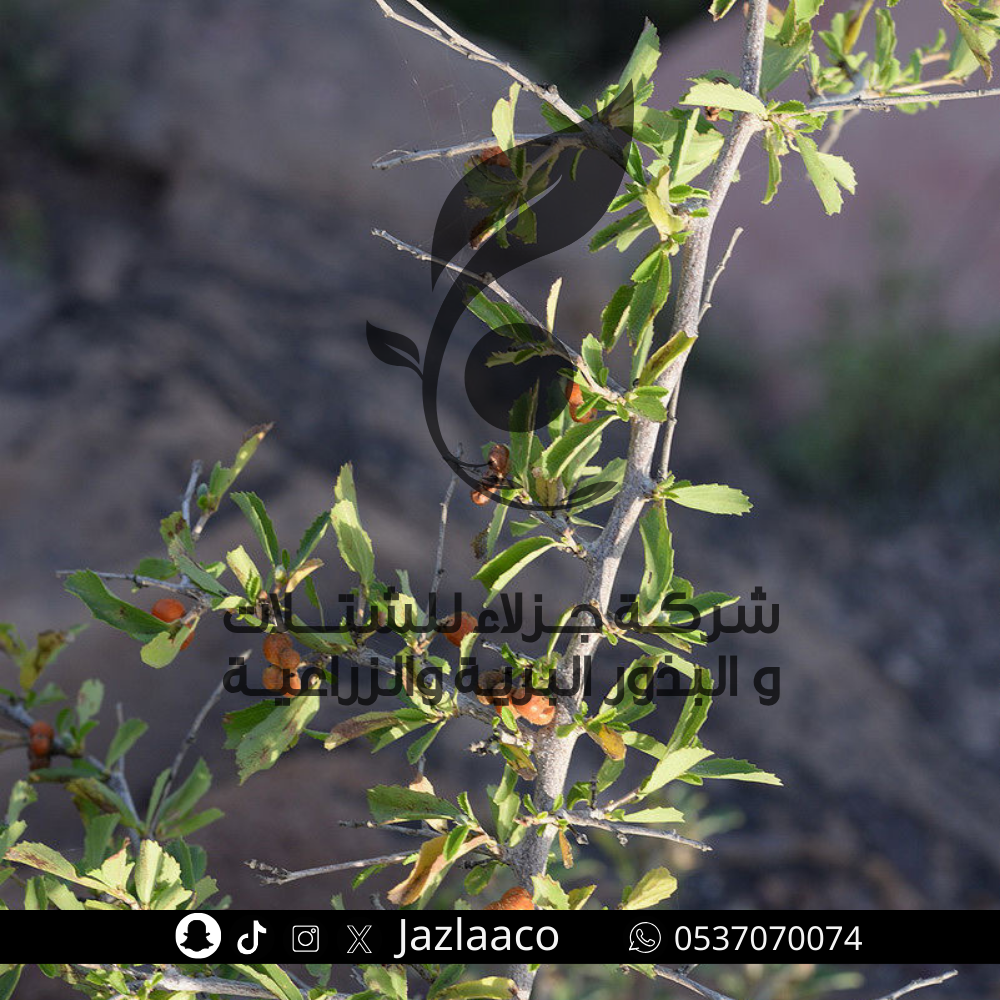
A shrub that reaches a height of more than (4 meters), the tree is widespread in the semi-arid regions of the world and grows in central and southern Sudan. The stem has many branches from the base and is gray in color. The leaves are simple, serrated, (4-1.5 cm) long and (1.5-3 cm) wide. The flowers are solitary, white, with many long stamens. The fruits are orange-red when ripe and small in size (the size of a pea). The seeds are small and yellowish inside the fruits (one seed per fruit).
Flowering
Flowering begins in late March, fruit set 5 days after flowering, flowering period is three months, fruit is collected in mid-May (at a time when flowering is continuous) and flowering again in mid-August for three months (flowering is irregular).
multiply
It is propagated by seeds by planting them directly without treatment.
Benefits and Uses
The tree has many uses and diverse benefits. It produces fruits with high nutritional value, as they contain protein, sugar and minerals. It stabilizes lands and is used as belts. It is suitable as a protective fence (live fence) and as a shade for crops, so it is suitable for agricultural afforestation. The leaves produce animal fodder. Its wood is used in buildings and fuel. It has many medicinal uses, as it is used against chest diseases, typhoid and anemia. The bark is generally antifungal. Its flowers are popular with honeybees. The tree is criticized for its poor tolerance to frost.