
Botanical description
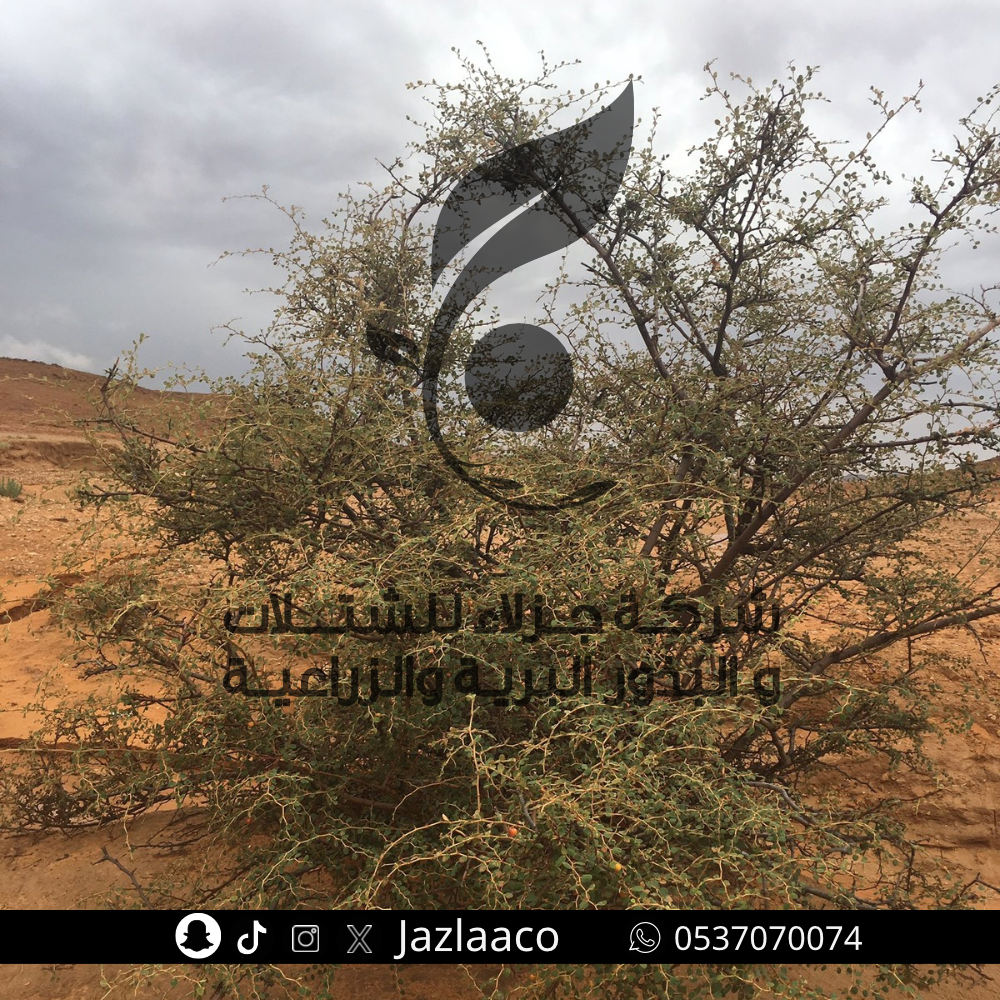
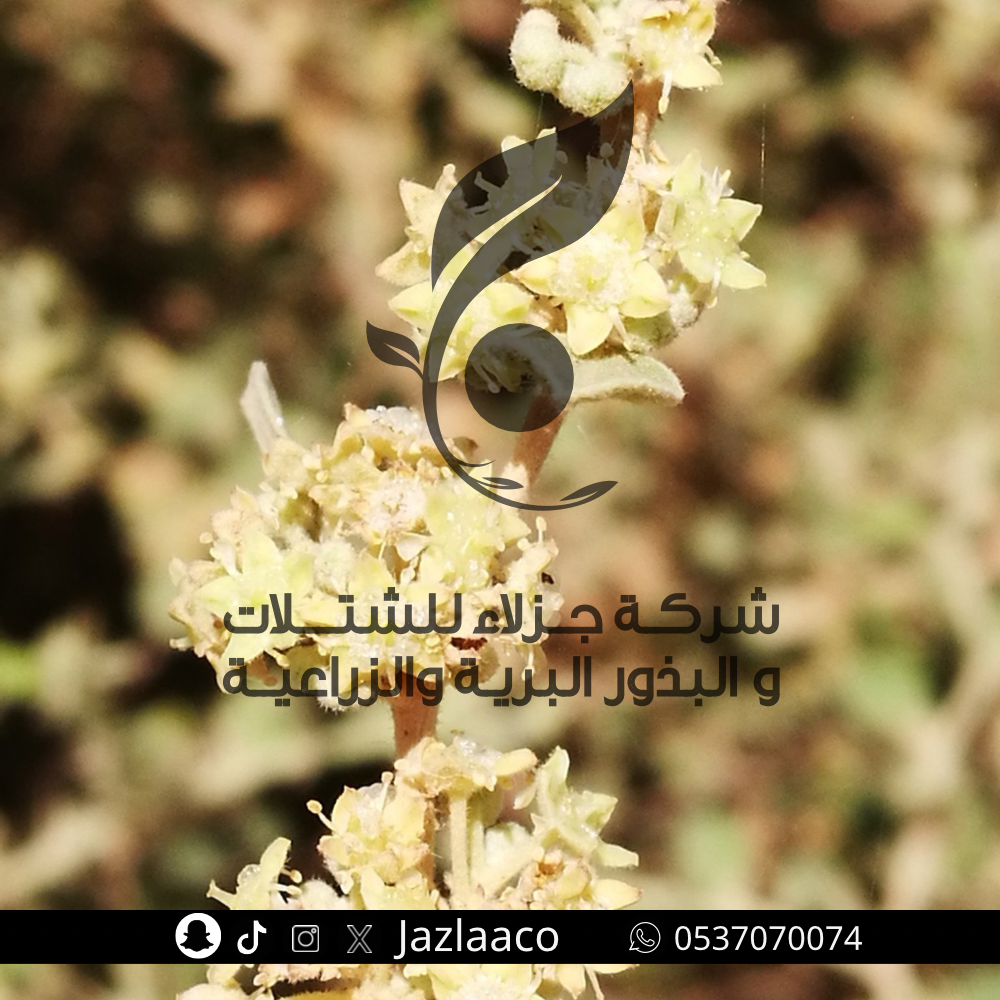
A thorny tree that reaches a height of more than (6 meters), spread in its natural state in the Arabian Peninsula in gardens, valleys and depressions. The branches are twisted and intertwined, bearing thorns in pairs, one of them in the direction of the buds, straight, and the other in the opposite direction, strongly curved (curved). The leaves are flat, (1-1.5 cm) long and (1-0.5 cm) wide, round or oval to oblong oval, silvery green in color, with three veins protruding from the base. The stem is multiple and reddish-grey in color. The fruit is a bulbous, spherical to oval in shape, smaller than the fruit of the local Sidr, its diameter is less than (1 cm), its color is orange tending towards red.
Flowering
Flowering begins at the beginning of July, the fruits set after a month and a half of flowering, the flowering period is four months, the fruits are collected at the beginning of the month.
December .
multiply
Propagation is by seed (planted directly without treatment)
Benefits and Uses
A tree that can withstand extreme drought and high temperatures. It is grown in low-lying areas and collects floods. Its wood is good for fuel. Its flowers are valuable in honey production, and beekeepers in the Kingdom rely on them. It is considered the most expensive type of honey, collected from Sidr trees.